Vitalacy Virtual Care Dashboard
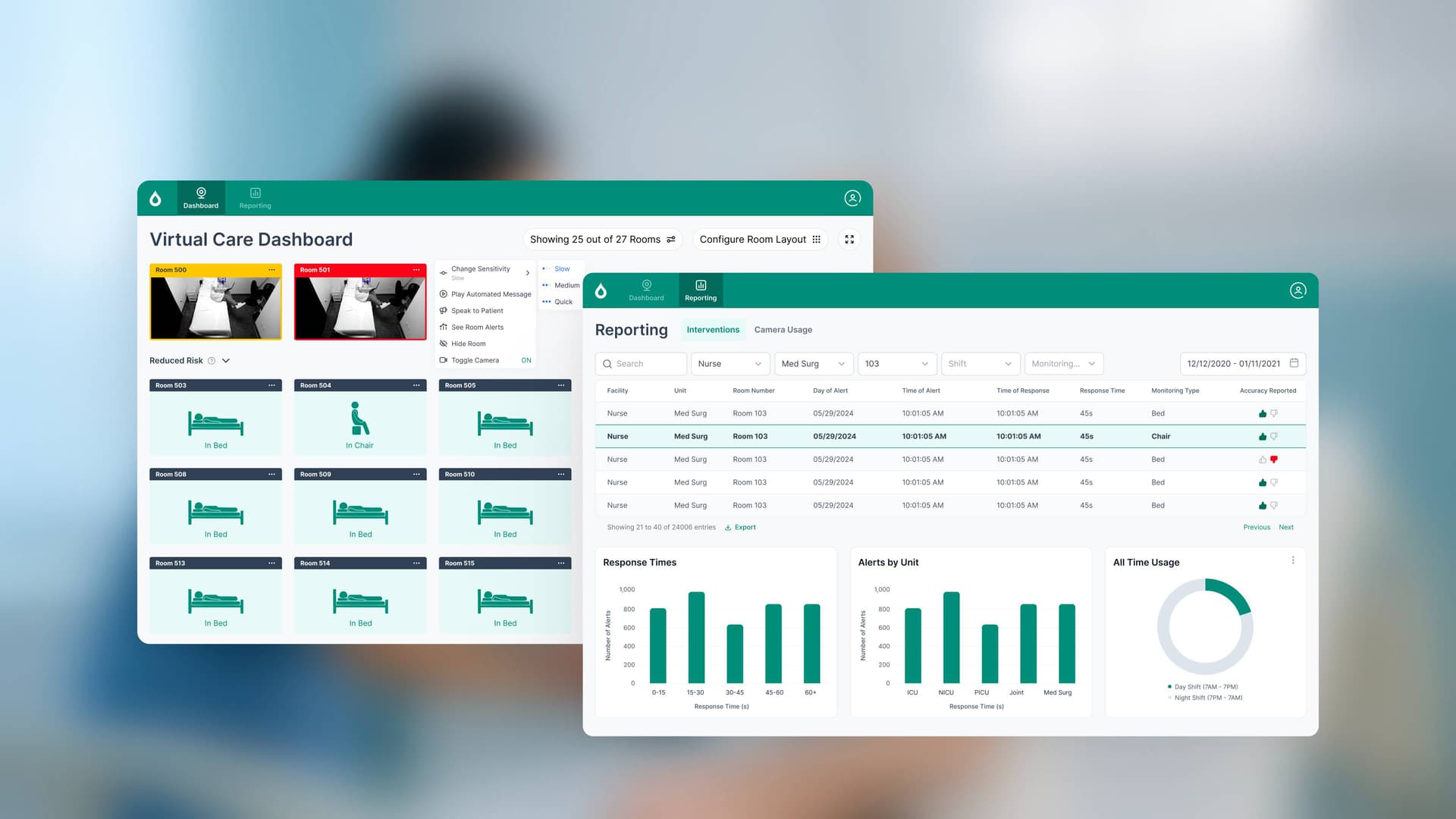
Hospital staffing shortages make it impossible for nurses to physically monitor every patient in real time. Vitalacy's machine-learning system detects fall risk through video analysis, but the nurses using it needed a fast, intuitive way to act on alerts and make care decisions without adding to their workload. Over 4 months, I designed a virtual care dashboard that put nurses in control—letting AI flag risks while keeping clinical judgment at the center.
Research revealed four core design principles: the tool must be glanceable and not demand constant attention; AI flags risks but nurses always make the final clinical call; risk history and alerts should be contextually relevant without deep digging; and the system should enable soft care interventions through two-way video communication.
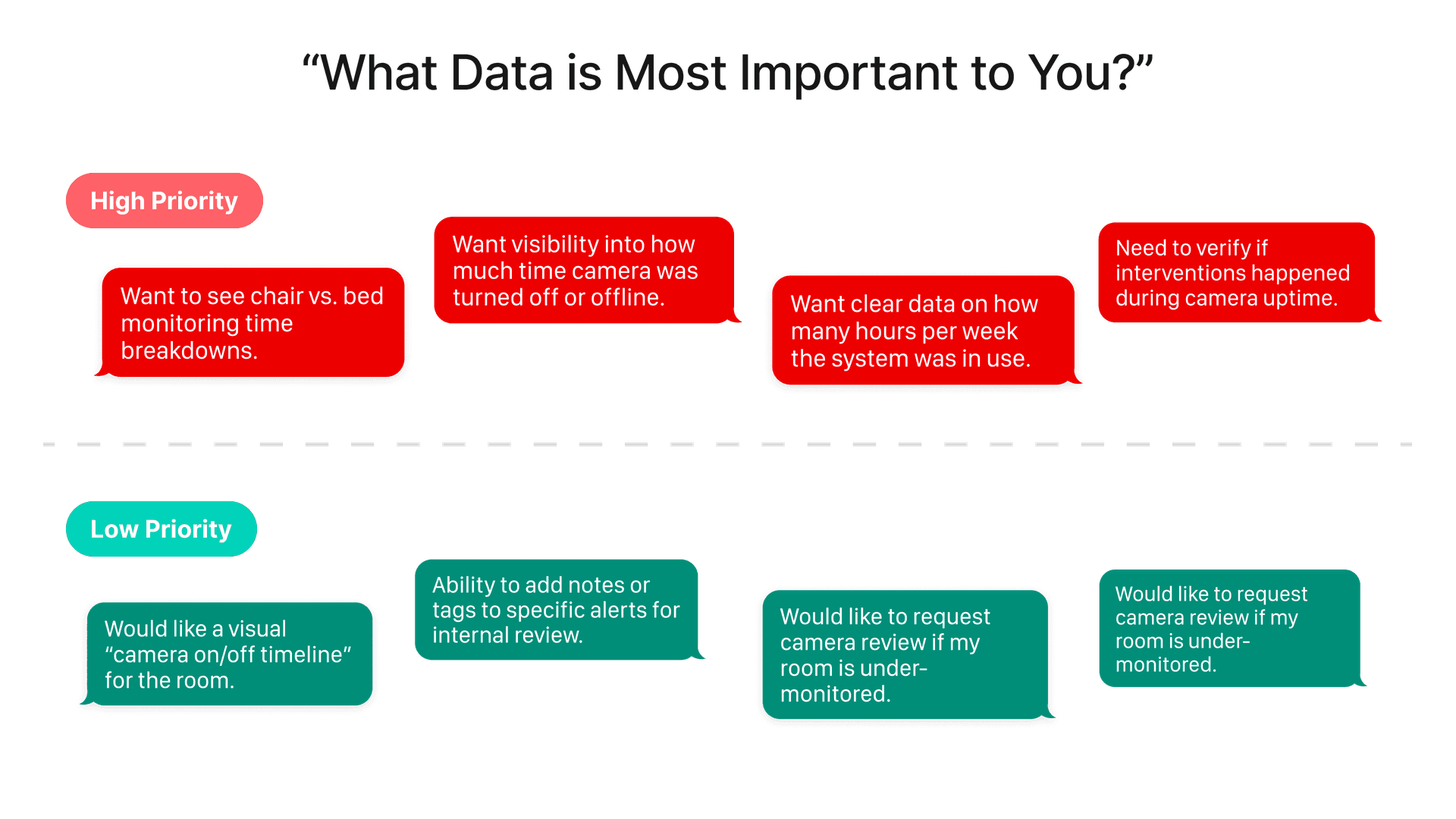
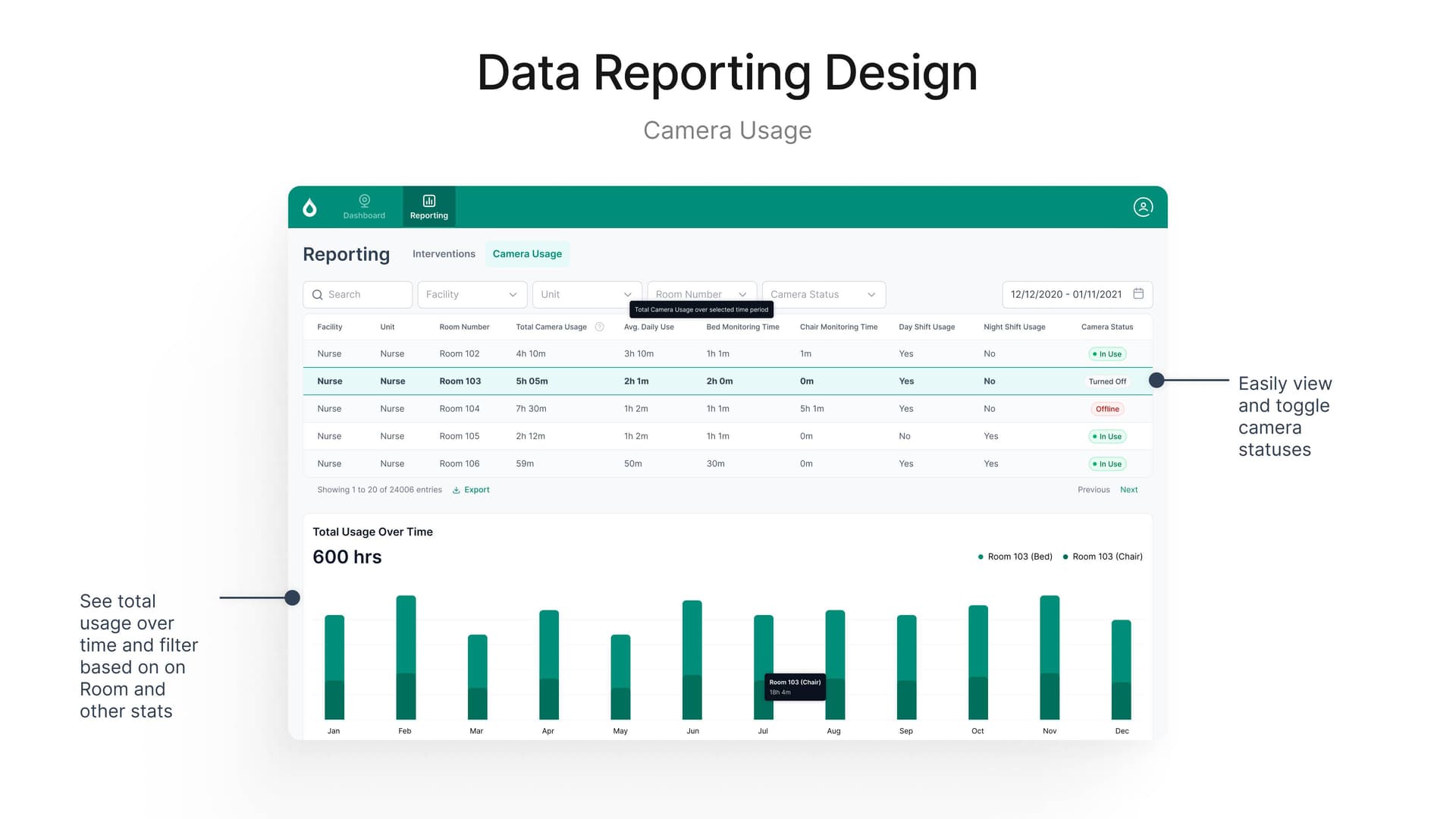
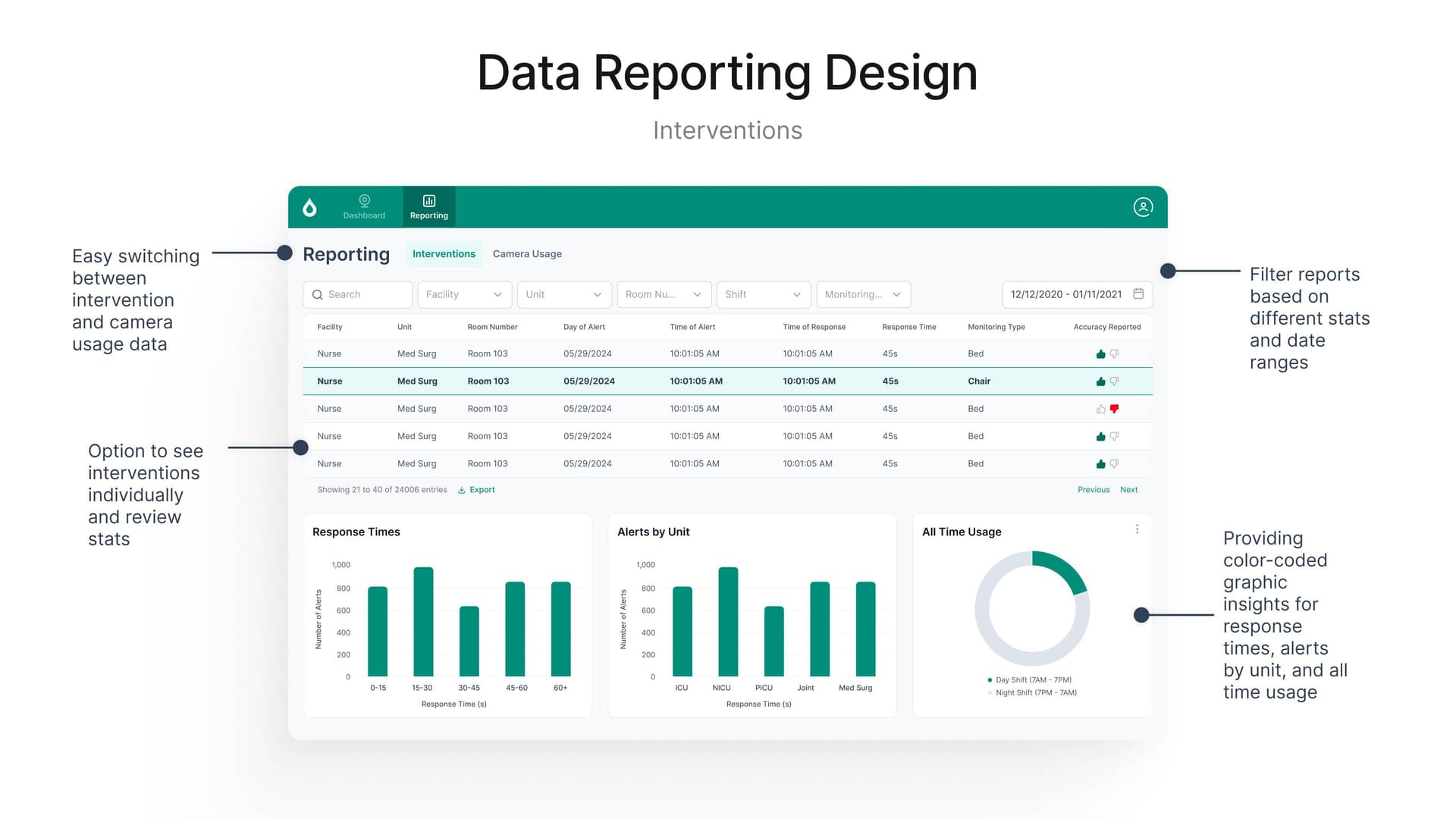
High-priority needs included monitoring chair vs. bed time breakdowns, tracking camera offline/downtime, and ensuring interventions happen during camera uptime. Lower-priority requests—like timeline visualizations and alert tagging—were deferred to later iterations while core safety features took precedence.
I started with sketches and low-fidelity wireframes exploring layouts that visually prioritize patients by risk. Color coding emerged as the primary way to signal risk levels instantly. Wireframes were reviewed with the full product team—product owner, graphic designer, marketing, and developers—before moving to final design to ensure alignment on feasibility and impact.
The dashboard balances simplicity with clinical depth, giving nurses the right information at the right time without overwhelming their already demanding workflow.
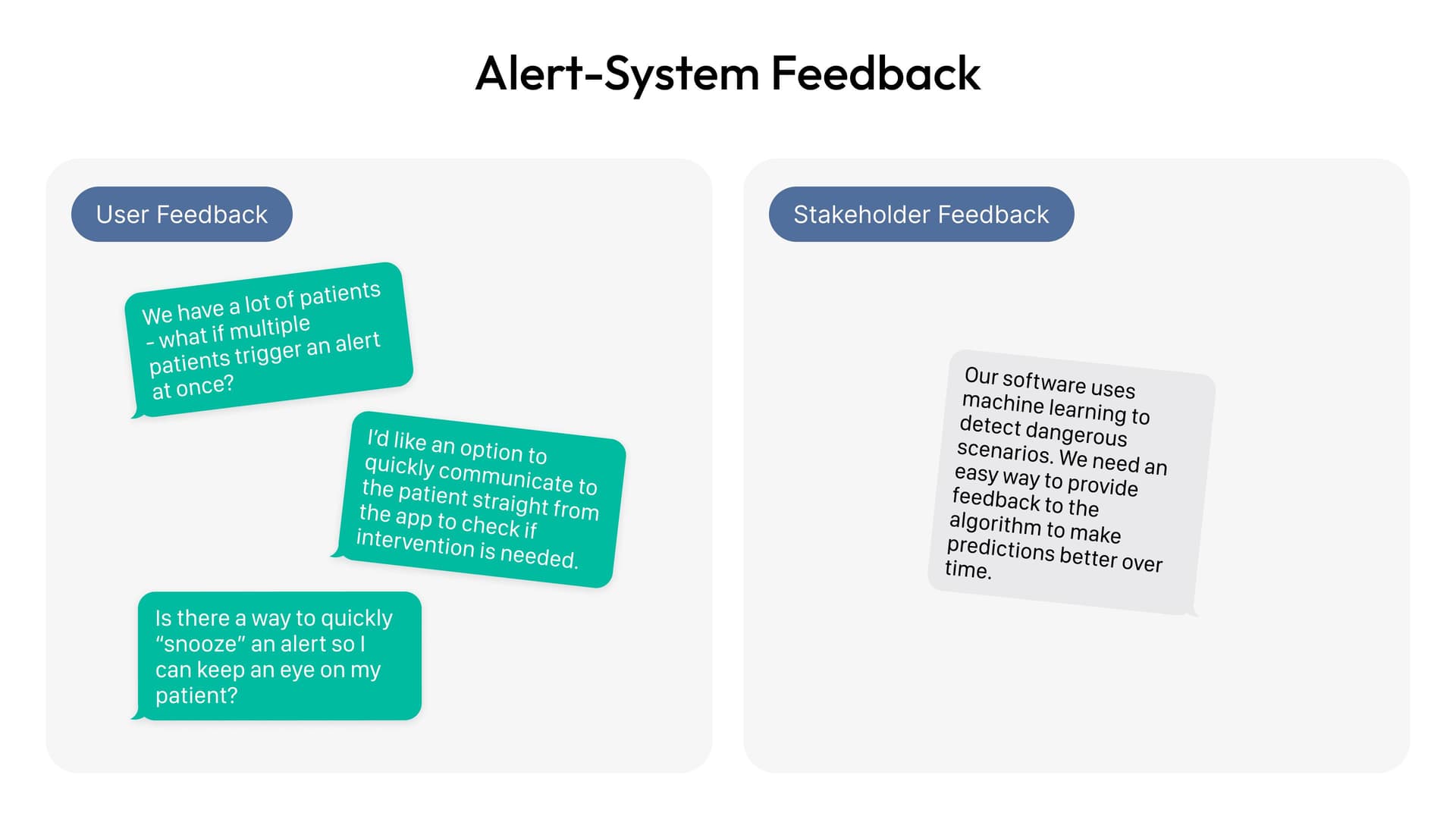
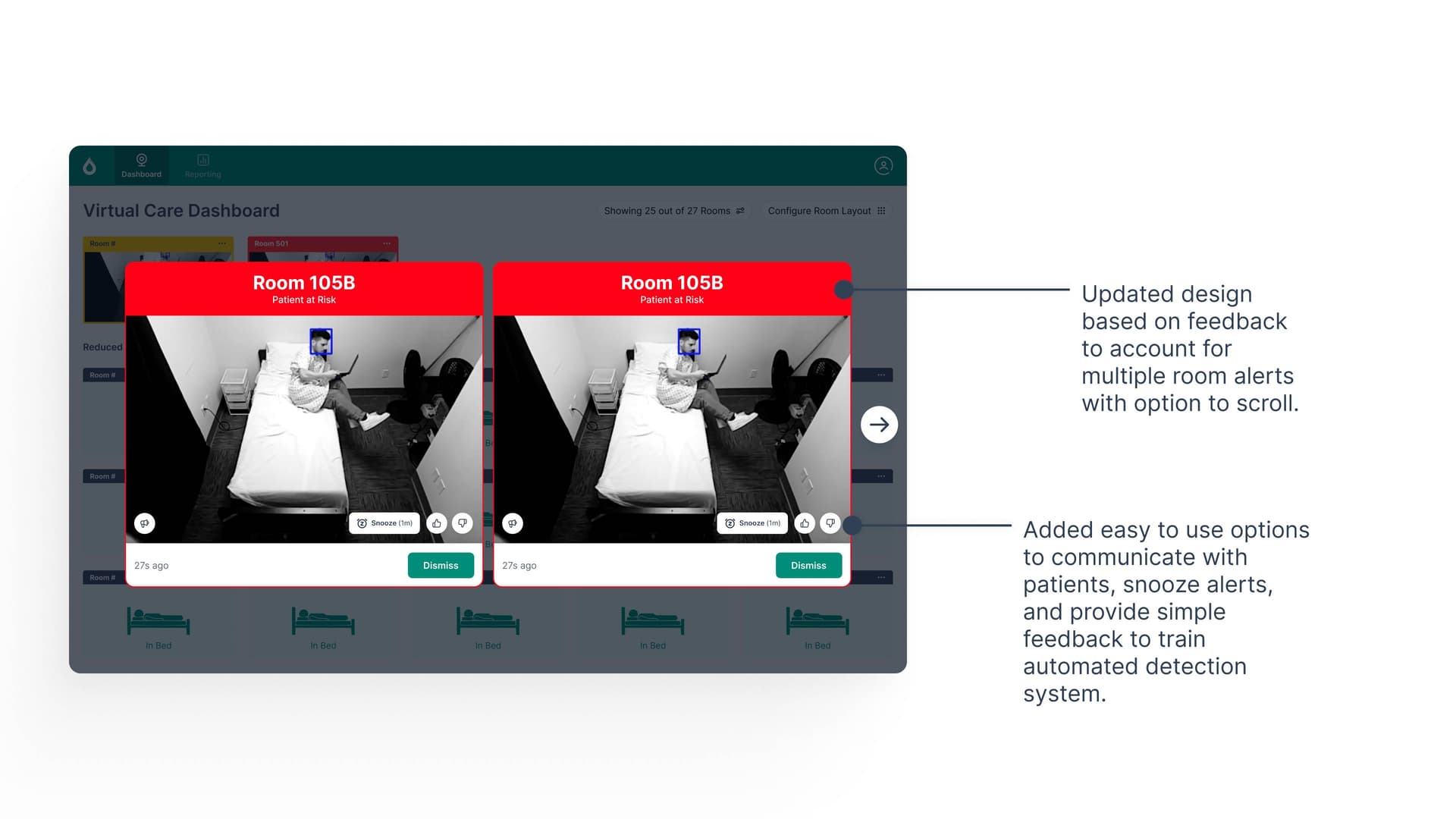
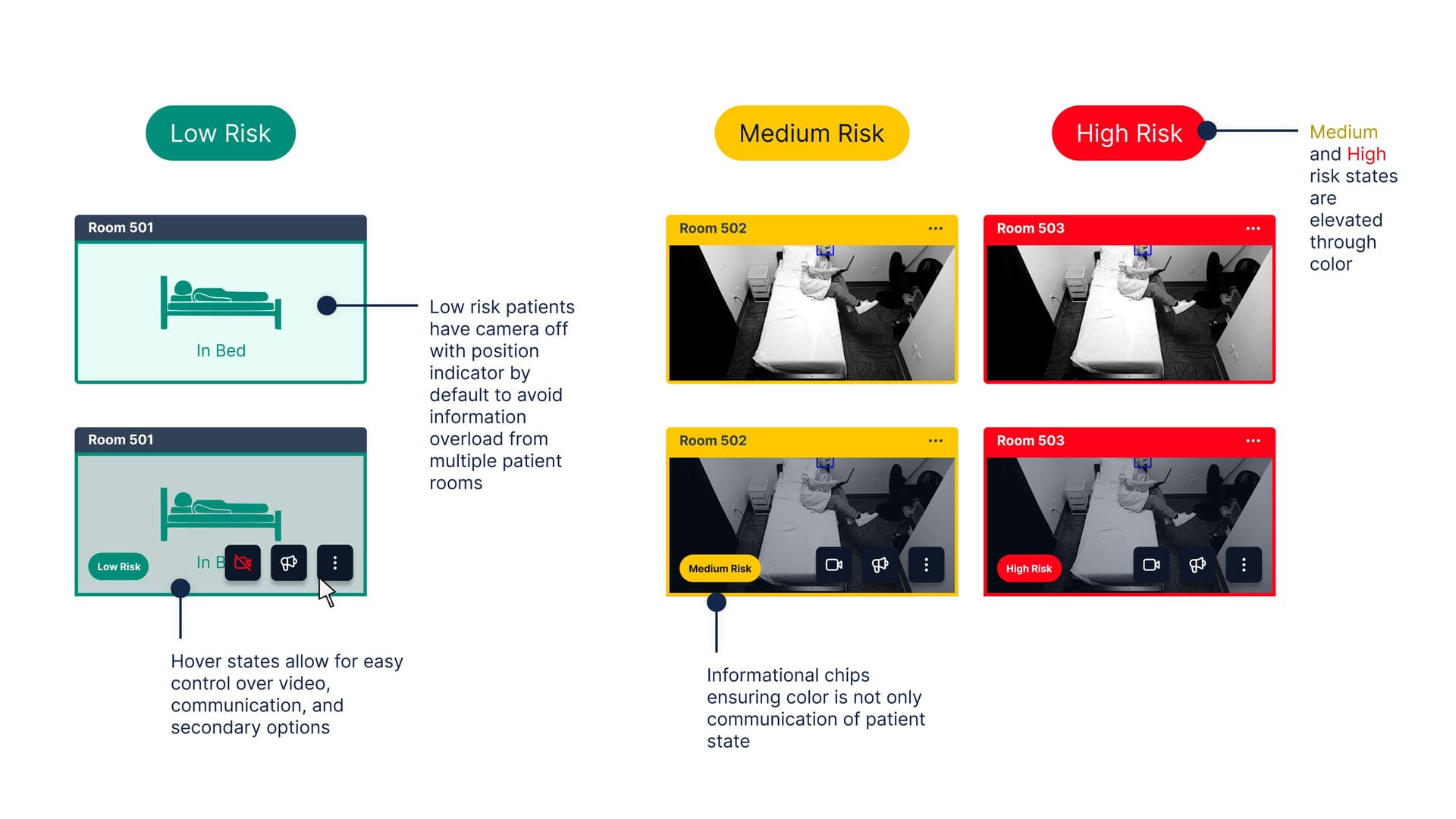
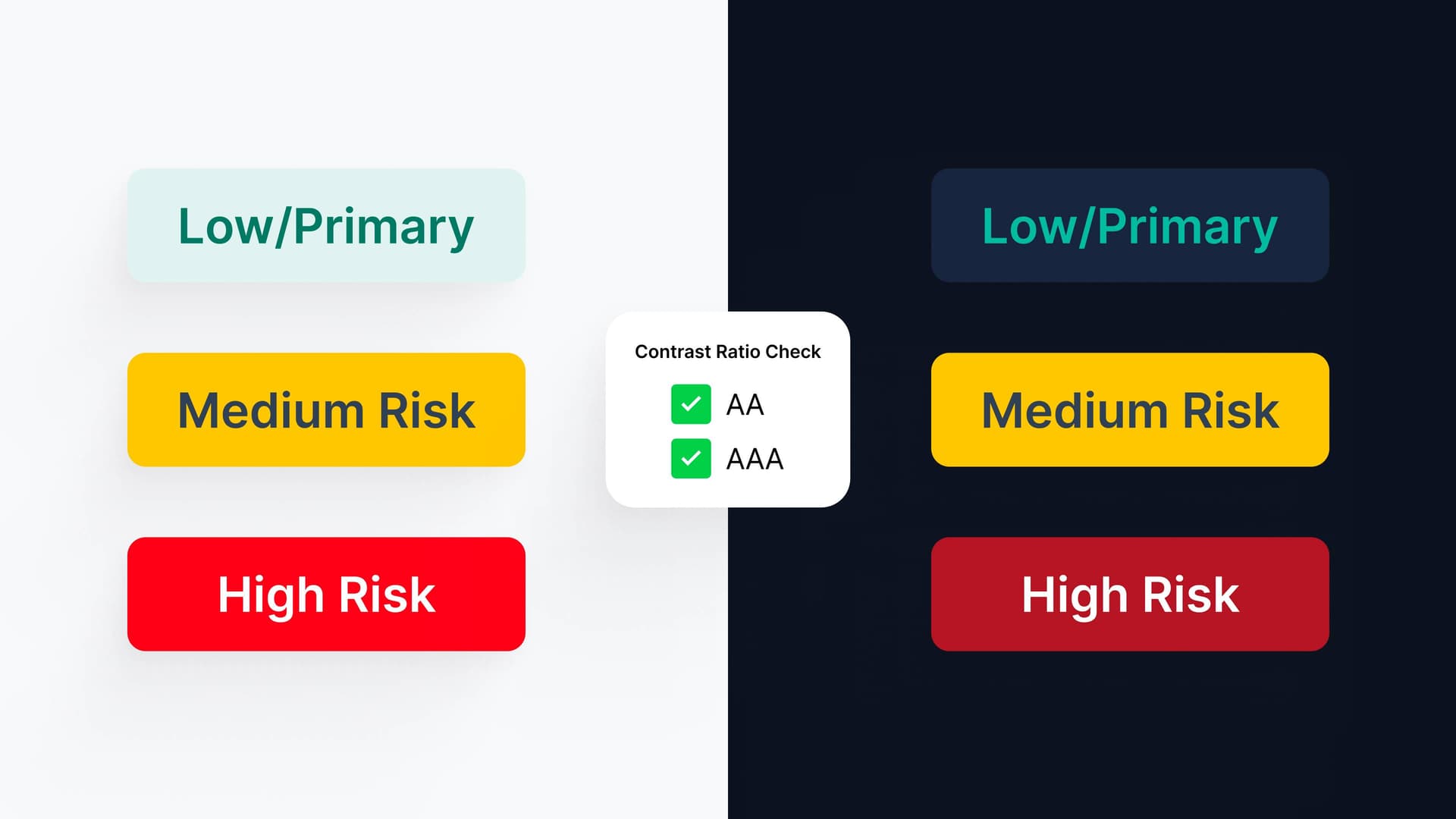
Hover interactions let staff toggle video for privacy, interact directly with patients, or snooze alerts without leaving the dashboard. Low-risk patients have camera-off by default to reduce information overload; higher-risk states are visually elevated through color and position, with informational chips reinforcing the risk level beyond color alone.